AI Doesn’t Give You Better Answers. It Gives You Fewer.
AI did not solve the information problem.
It made it worse.
From Information Overload to Something More Dangerous
Remember when the problem with the internet was this:
Too much information.
Like trying to drink from a fire hydrant.
The challenge was simple:
How do you reduce the pressure so you can actually use what matters?
Then came Google.
The problem changed.
We didn’t drown anymore.
We got lost.
Rabbit holes.
Click after click.
Endless paths.
But there was one important thing:
You were choosing the path.
What Changed With AI
Now we’ve entered a different world.
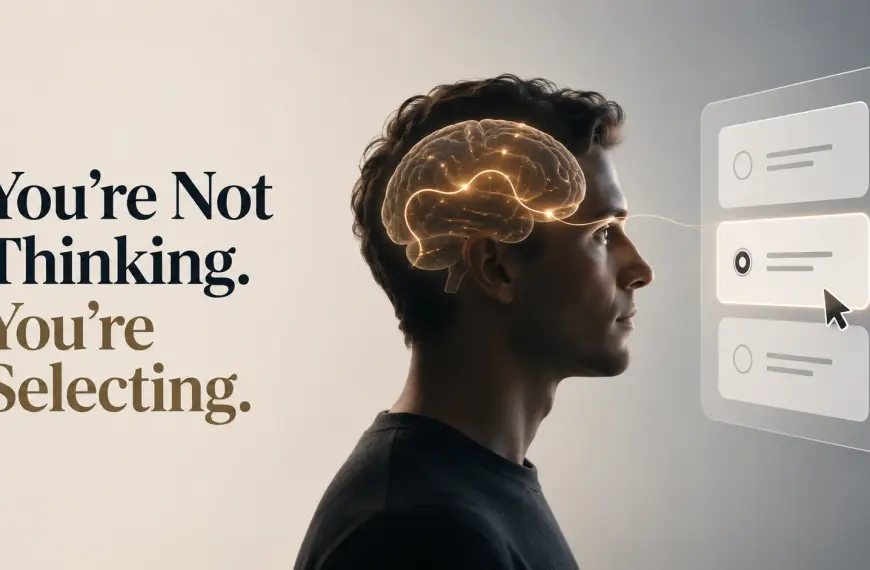
You don’t see 10 options anymore.
You get one answer.
Clean.
Coherent.
Confident.
And most people stop there.
That’s the shift.
The internet overwhelmed us.
Search gave us options.
AI gives us a single narrative.
That’s not just convenience.
That’s pre-selection.
The Risk No One Sees
And it creates a new risk.
I call it synthetic understanding / tunnel vision .
It feels like knowledge.
But it’s just one version of it—compressed, selected, and presented as complete.
And when something feels complete, people stop questioning it.
That’s where the real problem begins.
This Is Not an Information Problem
It’s a decision problem.
Because when people only see one answer, they stop looking for another.
And that is how bad decisions scale.
How This Shows Up in Organizations
This shows up immediately.
Not as AI failure.
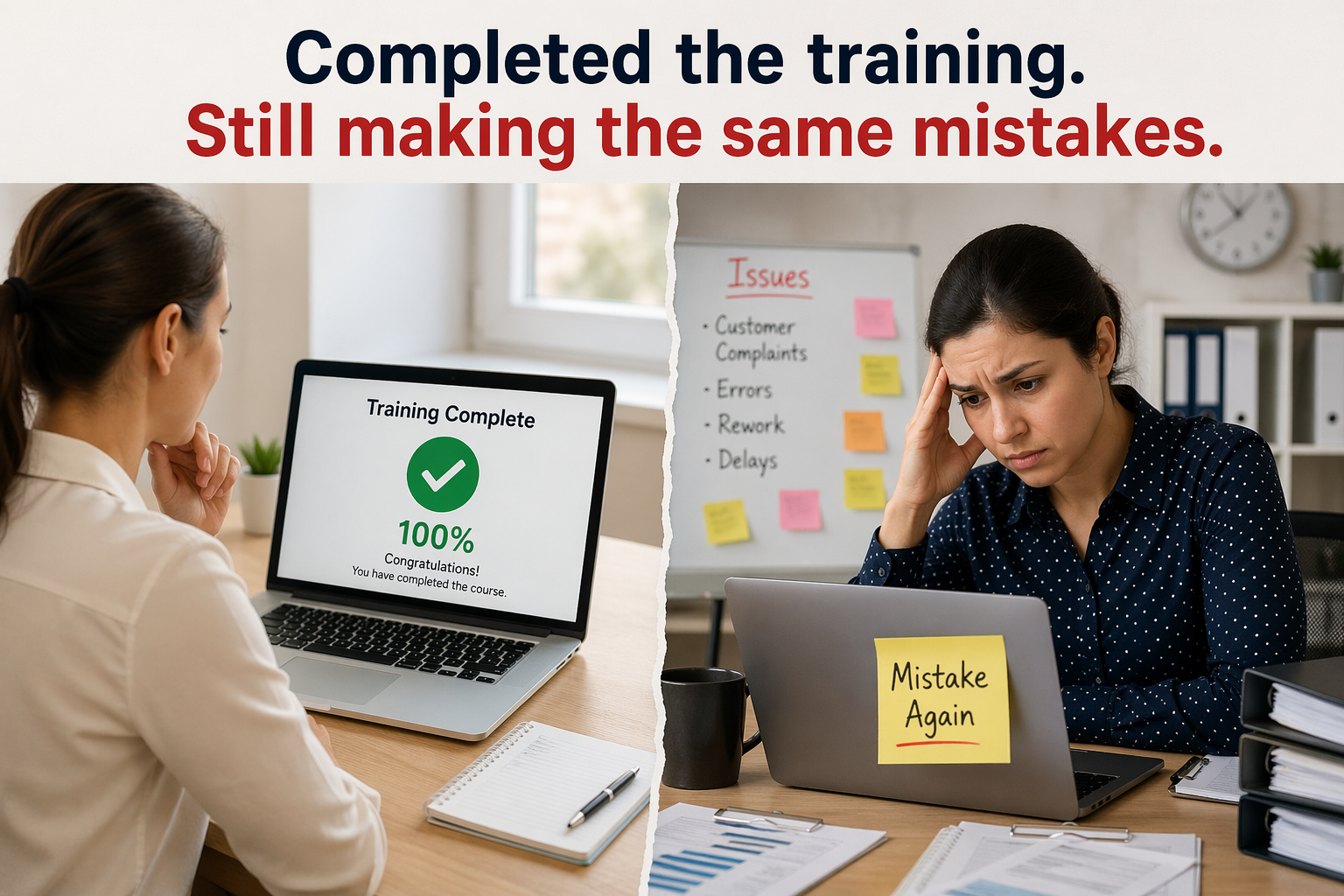
As judgment failure.
- Decisions made on partial views
- Overconfidence in AI outputs
- Faster decisions
- Weaker thinking
And most dashboards won’t catch it.
Because everything looks like it’s working.
Adoption is high.
Usage is real.
Outputs are flowing.
But no one is asking:
What perspectives were never seen?
That’s not efficiency.
That’s constraint.
And most organizations don’t even realize it.
The Question Leaders Should Be Asking
So the question is no longer:
“Are people using AI?”
It’s:
“Are people challenging what AI gives them?”
Because in this environment, the advantage doesn’t go to the people who use AI the most.
It goes to the people who question it the best.
Where to Start
Start simple.
Take one decision your team is making with AI.
Ask:
What alternative views are being considered before action is taken?
If the answer is none, you don’t have clarity.
You have exposure.
And that’s where the real risk is.